Drip Edge Flashing Should Be Fabricated To Pitch With Or Without Shingle Support
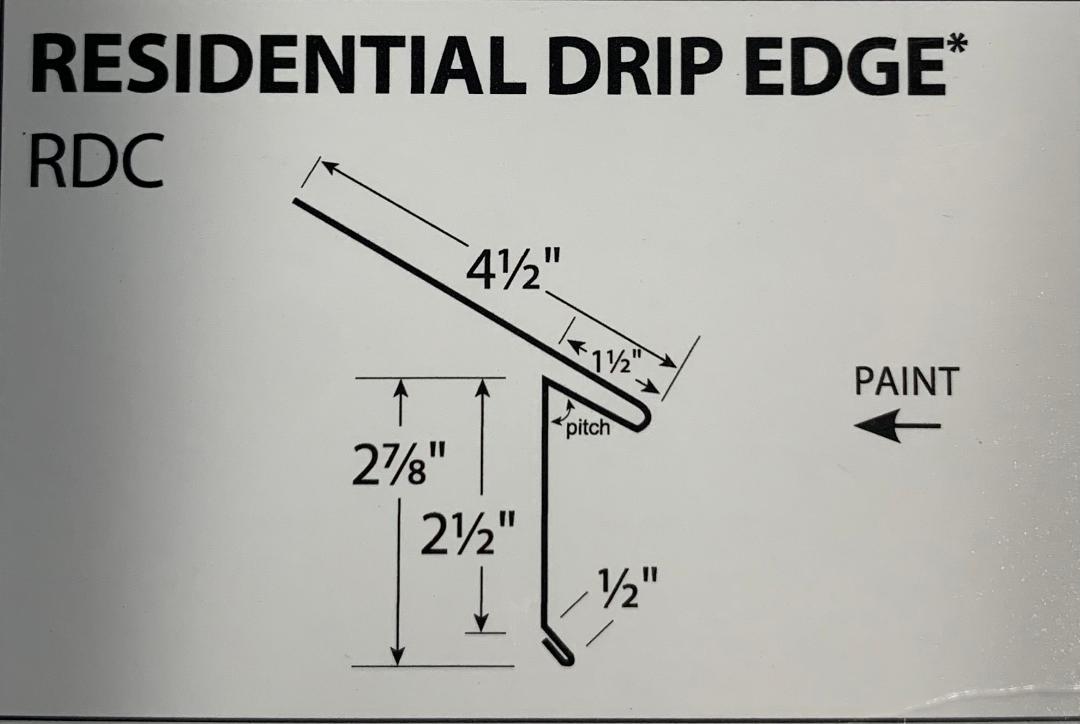
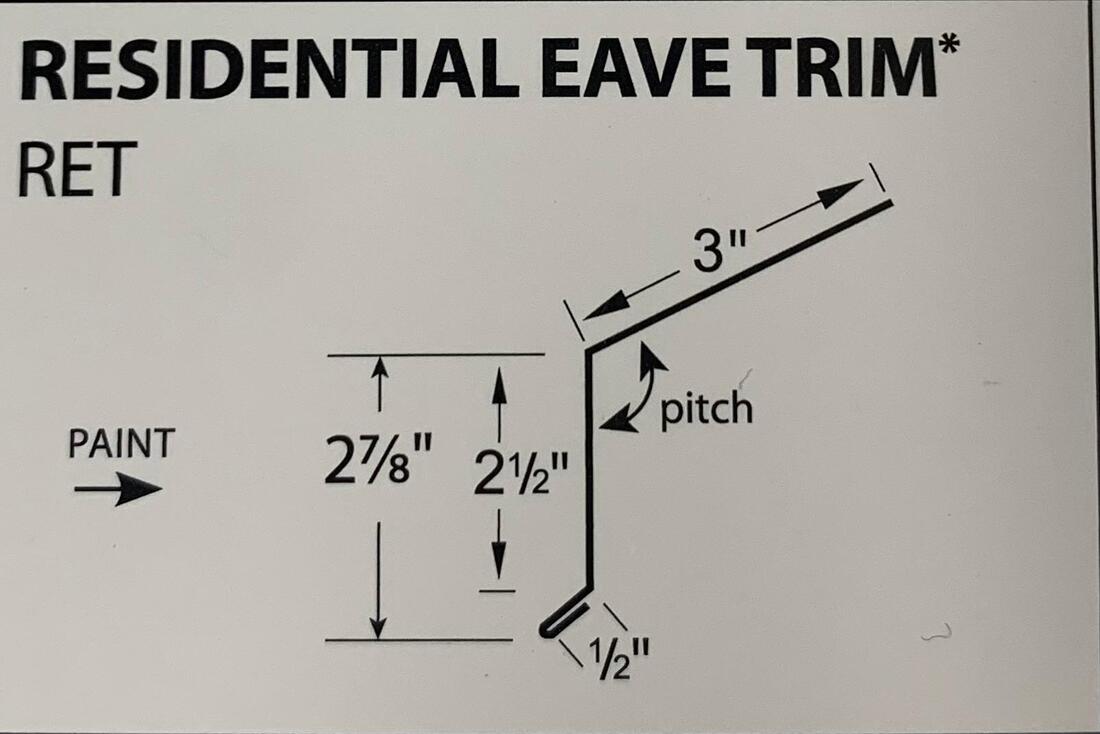
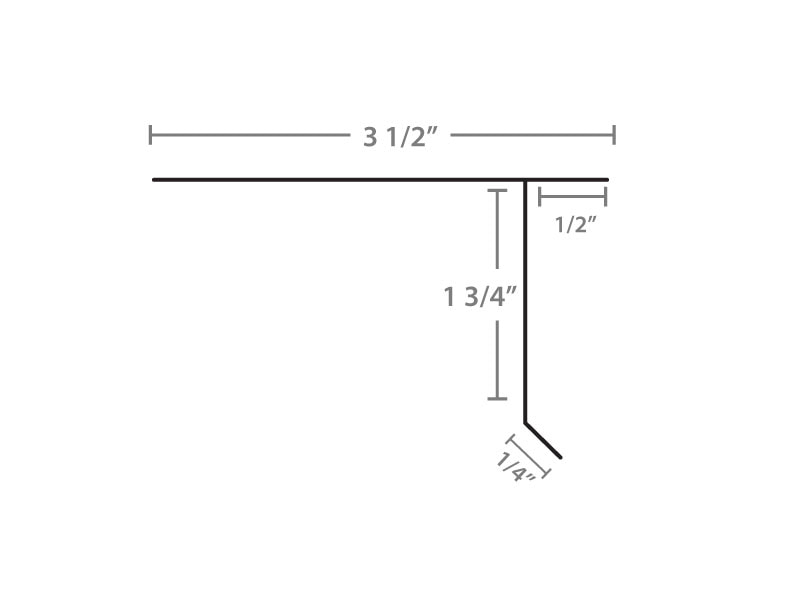
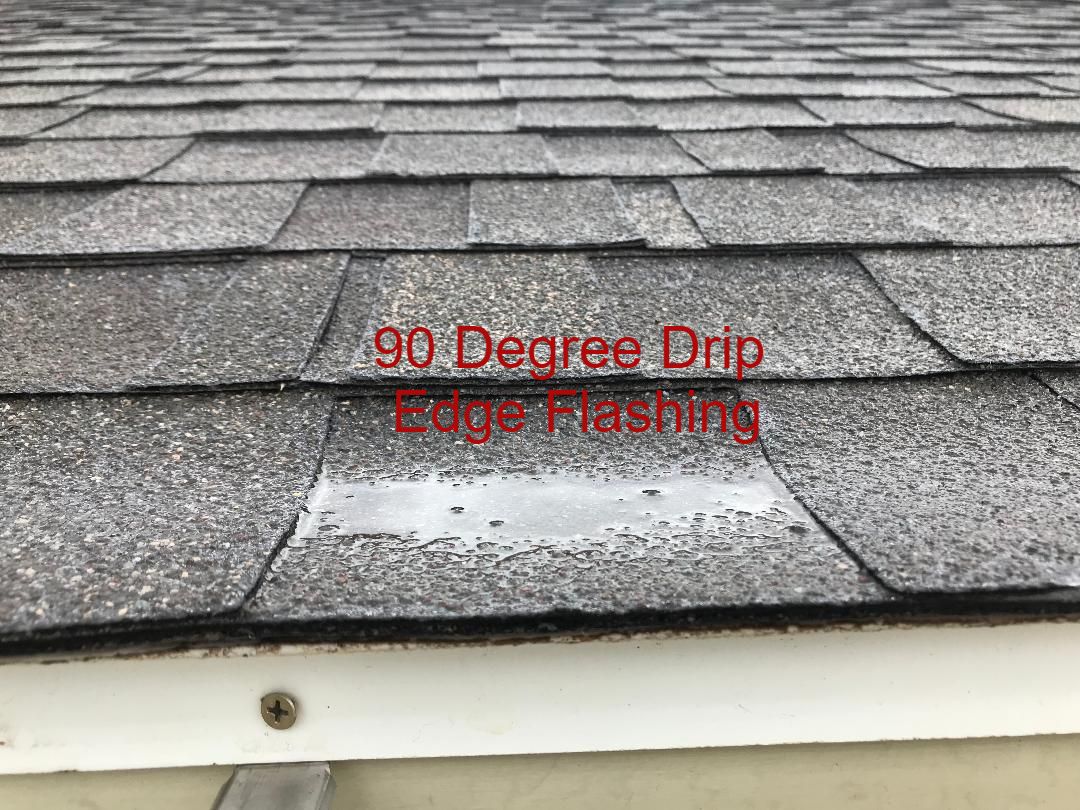
90 Degree should NOT be installed on the Drip Edge |
It creates shingle ponding and will rot your soffits fascia's and underlying sheets and framing. |
|
|
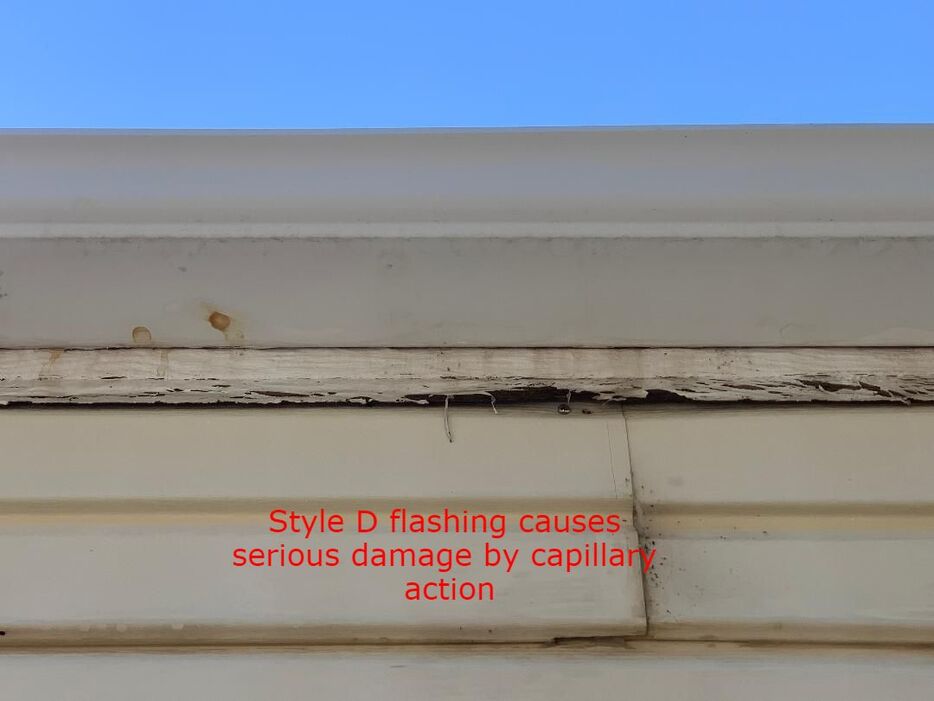
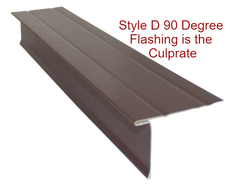
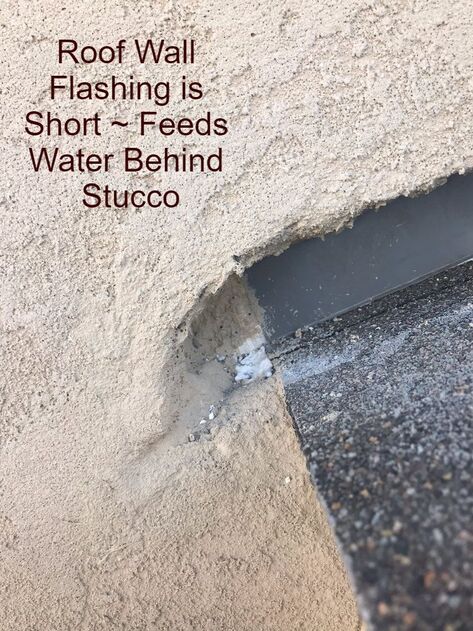
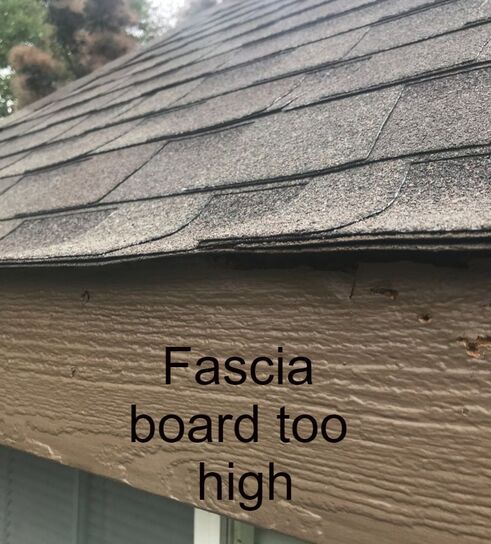
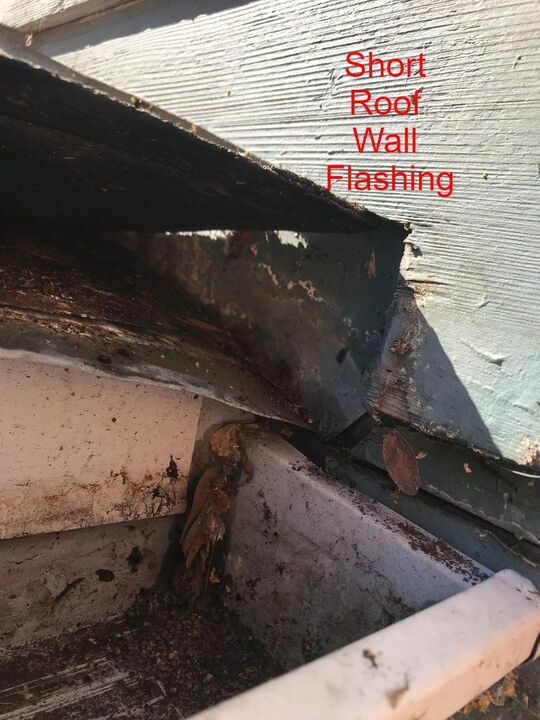
Improperly Installed Flashing Causes Serious Problems
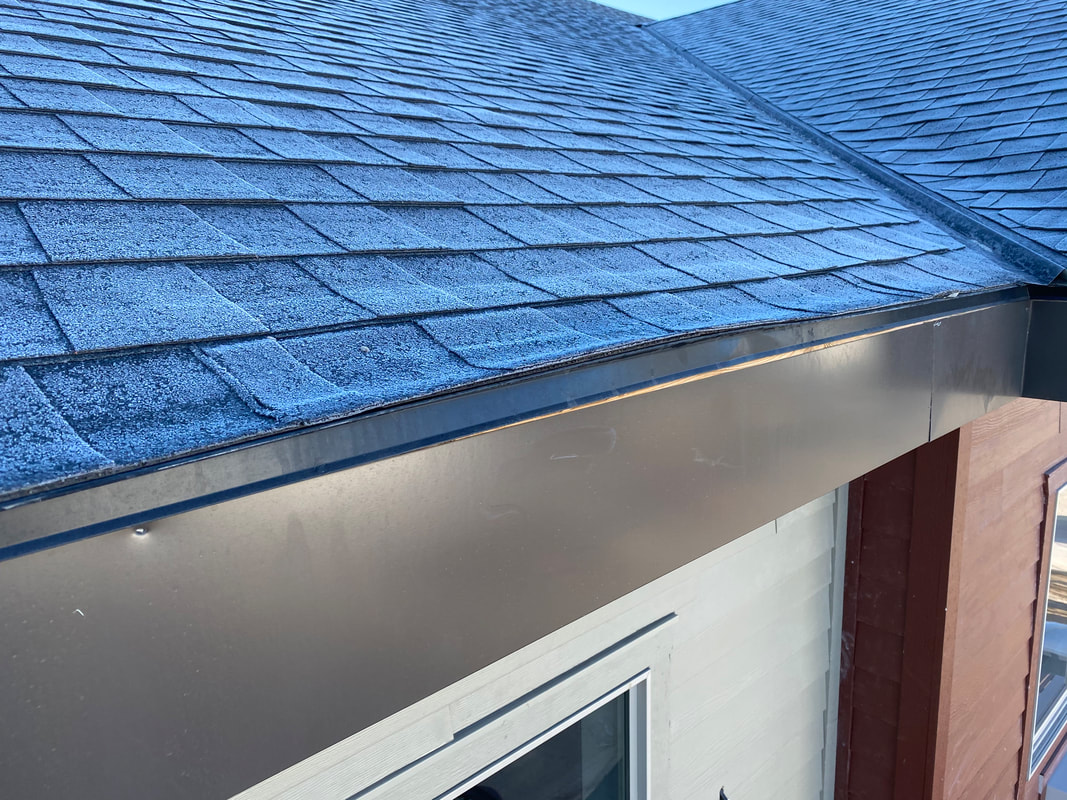
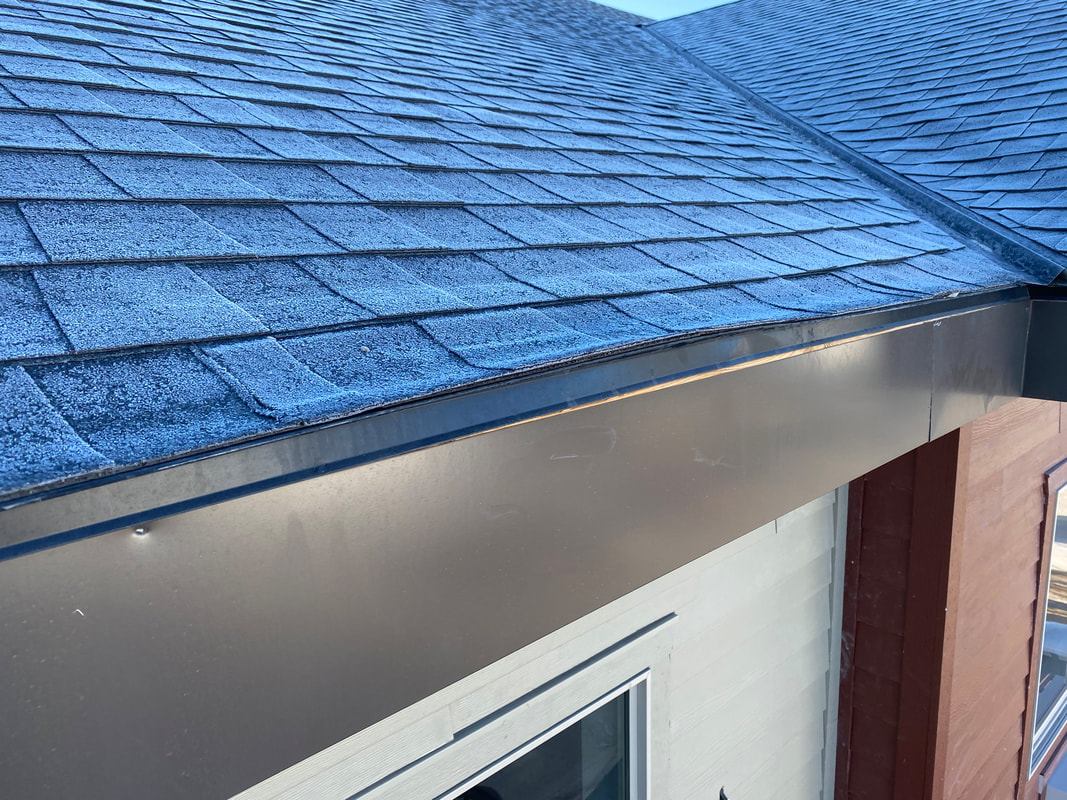
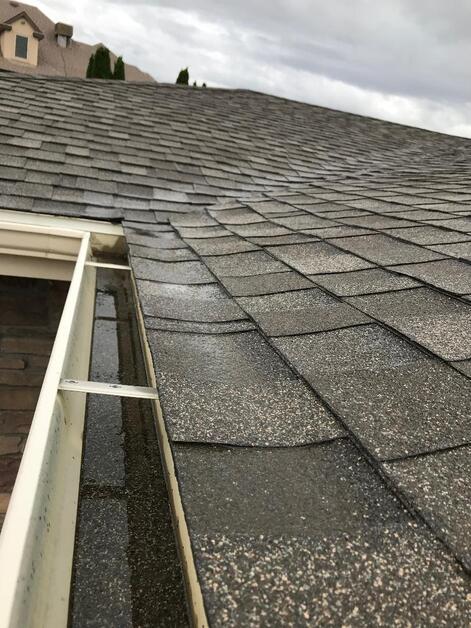
Drip Edge Flashing Should Be Fabricated To Pitch To Avoid Shingle Ponding and capillary action.
Which Causes The Roof Water To Go Through The Shingles, Rotting the Underlaying Wood and Soffits
Drip Edge Flashing Should Be Fabricated To Pitch To Avoid Shingle Ponding and capillary action.
Which Causes The Roof Water To Go Through The Shingles, Rotting the Underlaying Wood and Soffits
|
|
|
|
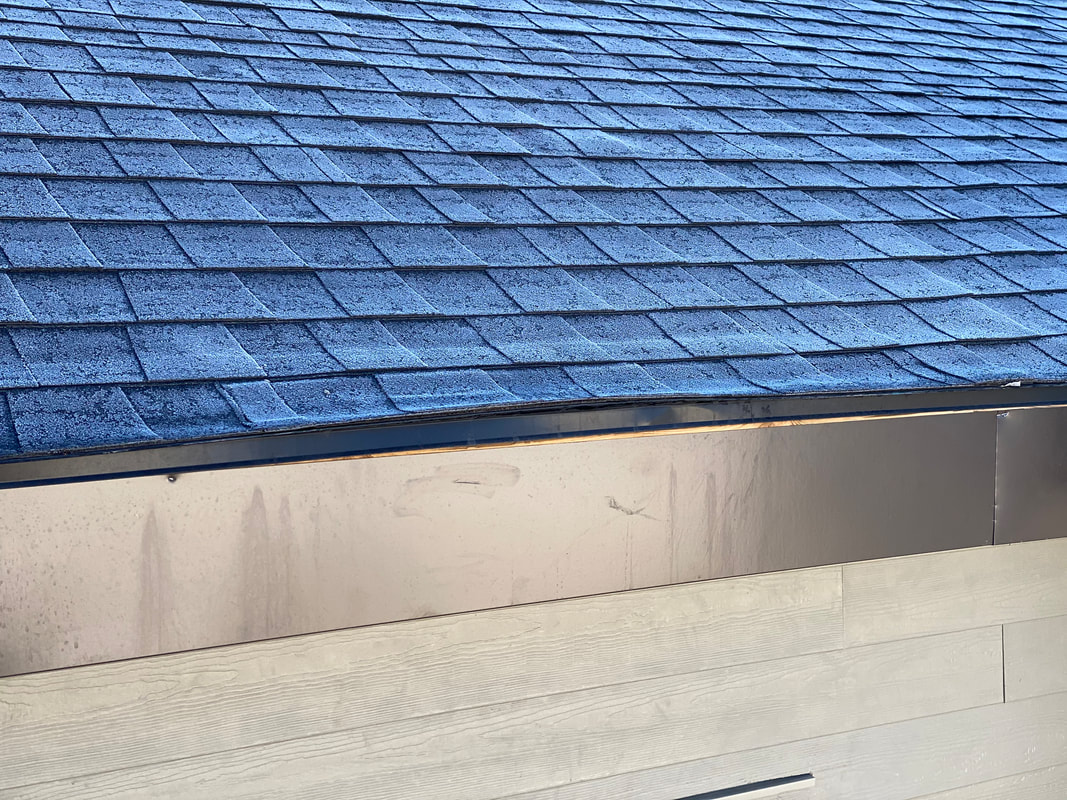
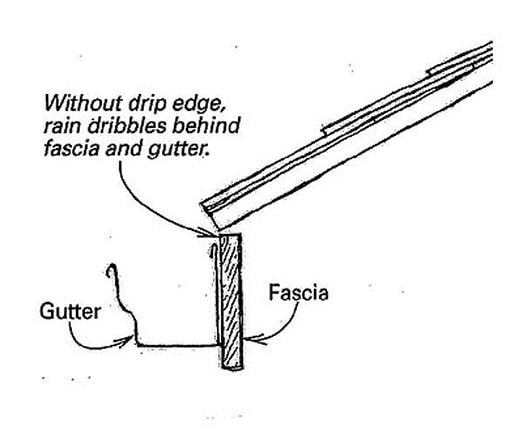
Your Soffit and Fascia could rot without drip Edge Flashing
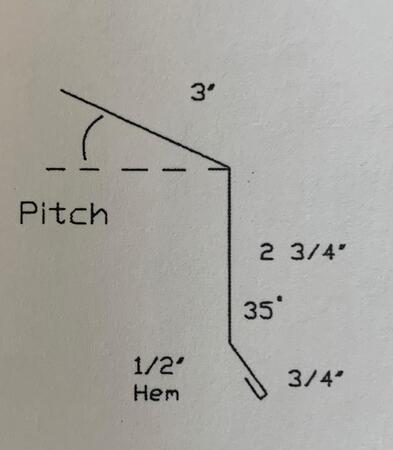
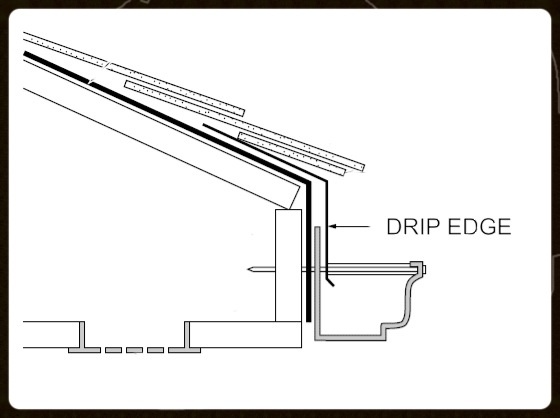
We Custom Fabricate our Drip Edge to the Pitch of Your Roof
We use Counter Flashing as needed to extend the Drip Edge for Grade
Diagram of Drip Edge Flashing Fabricated to Pitch
We Custom Fabricate our Drip Edge to the Pitch of Your Roof
We use Counter Flashing as needed to extend the Drip Edge for Grade
Diagram of Drip Edge Flashing Fabricated to Pitch
|
|
|
|
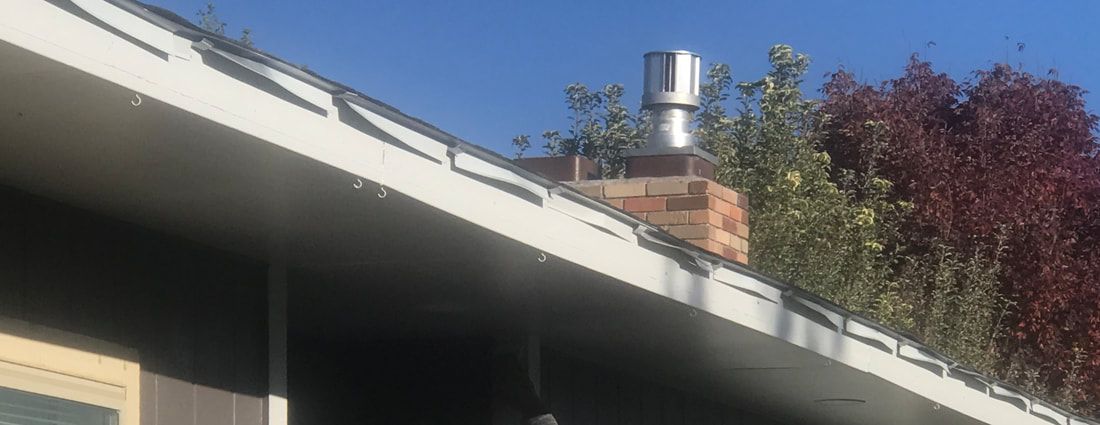
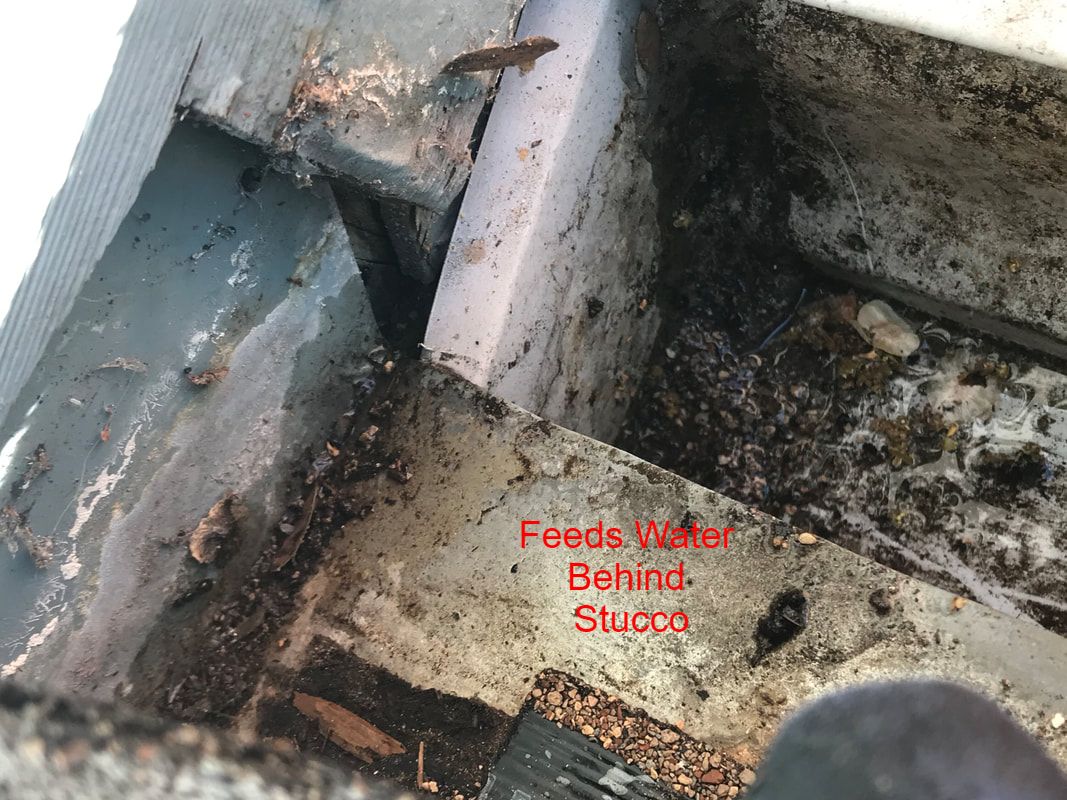
When you get a new roof but leave the gutters on, the roofer will cut the flashing for each hanger and leave you with this. The cutouts can allow water to seep behind the flashing and damage the fascia and roof.
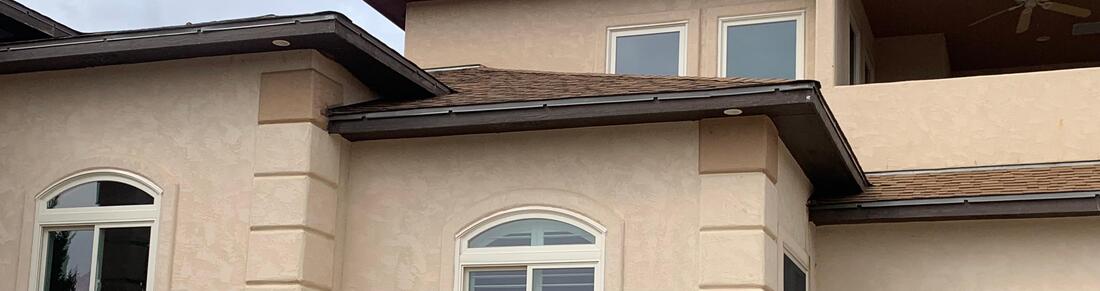
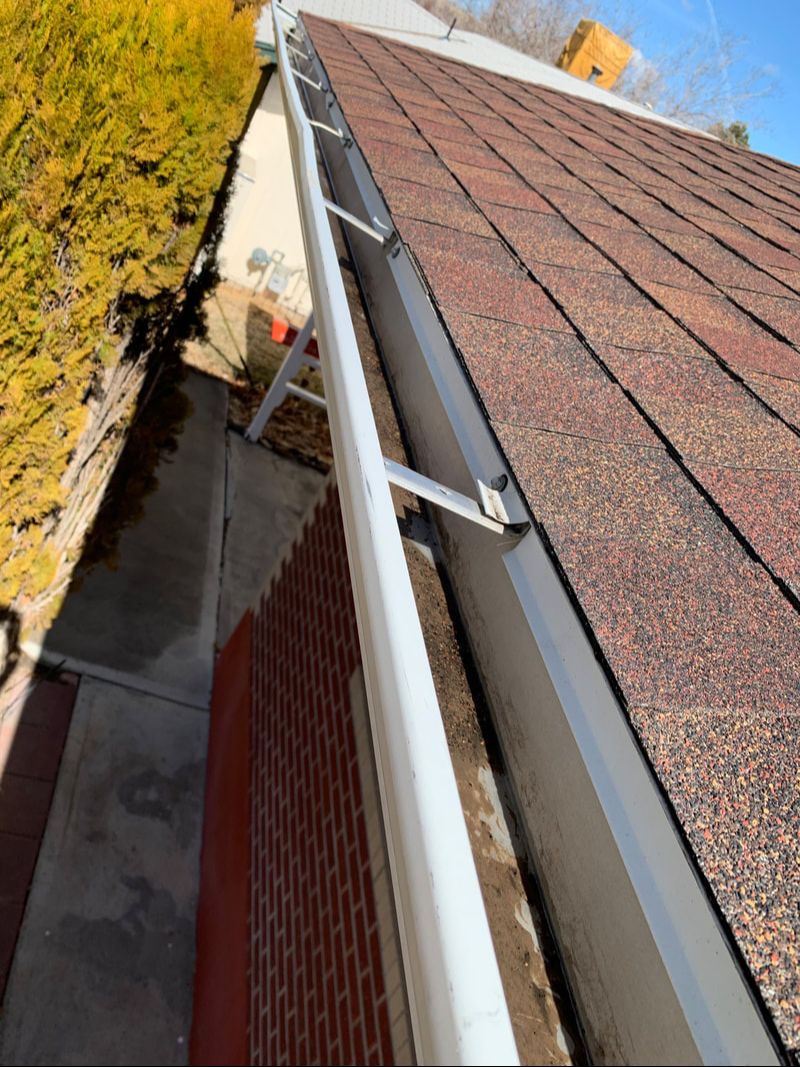
When the flashing is cut out for each hanger it leaves an opening for the roof water to go behind the gutter and rot the fascia board
|
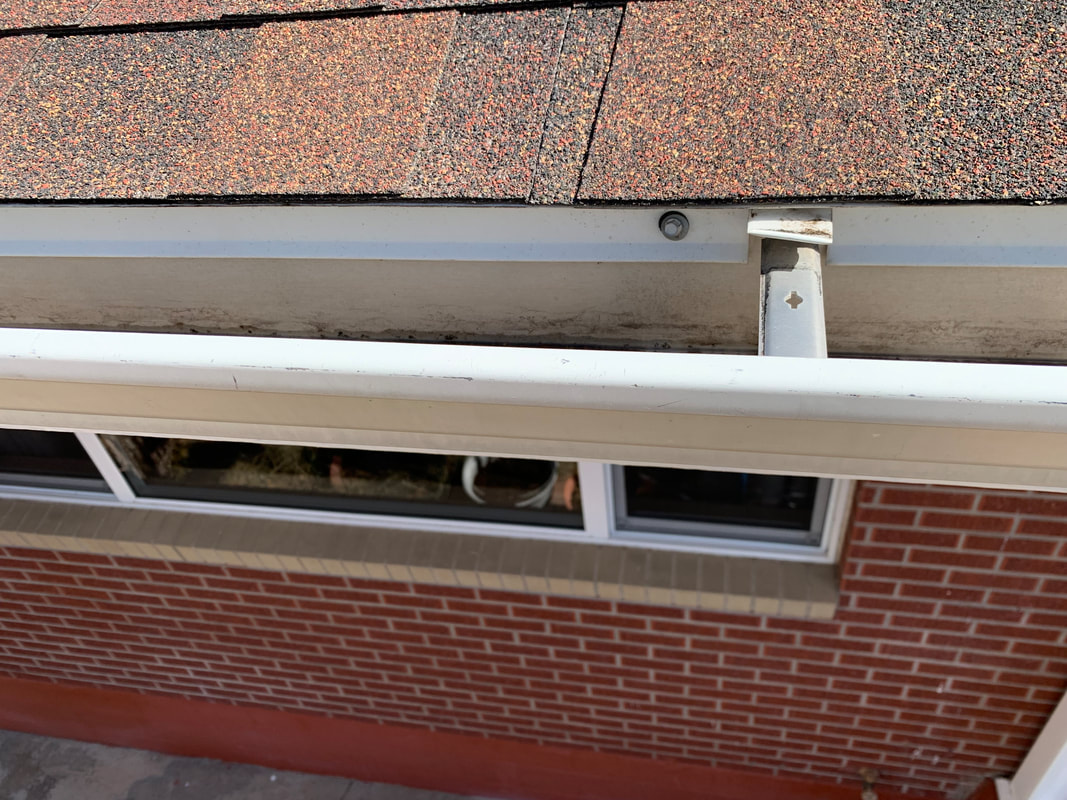
Don't let this happen to you!!!
Call us for a free estimate to remove your existing system prior to the installation of your New Roof. 970-858-1347 |